Why Familiarizing Your Child With Haircuts Reduces Fear
Robb Hanlon
For many young children, haircuts aren’t scary because of the haircut itself—they’re scary because the experience is new, loud, and unfamiliar. The buzzing clippers, unfamiliar faces, and sudden sensations can feel overwhelming, especially for toddlers and young kids.
The good news? There’s a simple, proven way to reduce haircut anxiety: familiarization.
When children know what to expect, they feel safer, calmer, and more confident. Here’s how familiarizing your child with haircuts can dramatically reduce haircut fears—and how you can start at home.
Why Unfamiliar Experiences Cause Anxiety in Kids
Young children rely heavily on predictability. When something feels unknown, their nervous system goes into “alert mode,” which often looks like:
Crying or refusing to sit still
Fear of clippers, scissors, water spray, blow dryers, or the cape
Meltdowns before or during the haircut
Haircuts combine multiple unfamiliar and intimidating elements at once—sound, touch, environment, and a change in routine—making them especially challenging for young kids.
Familiarity helps their nervous system understand this experience is safe, and they feel calmer—even excited— since they know what’s to come.
How Familiarity Builds Confidence
When children are gently introduced to the haircut experience before the appointment, their brain starts forming positive associations. Familiarity helps by:
Reducing fear of the unknown
Increasing comfort with tools and sensations
Building trust in the process
Giving children a sense of control
The more exposure your child has in a calm, playful way, the less overwhelming the real haircut feels.
Simple Ways to Familiarize Your Child With Haircuts at Home
You don’t need to wait until haircut day to start preparing your child. Small, everyday moments can make a big difference! You can help prepare them by…
1️⃣ Practice Through Play
Let your child comb their own hair, brush yours, or give a stuffed animal a “haircut.” Pretend play turns a scary concept into something fun and familiar.
2️⃣ Read About the Experience
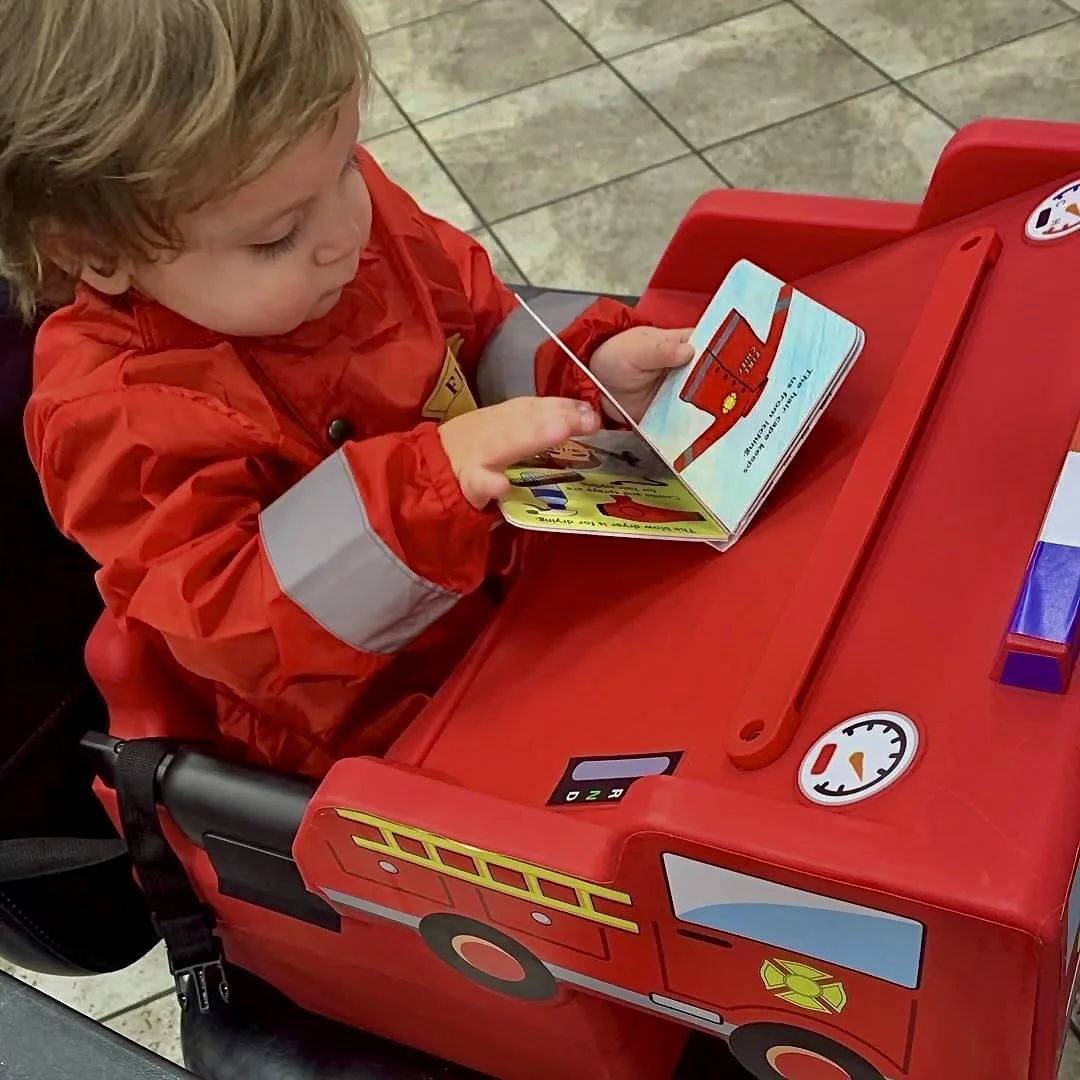
Reading books like the “I Was Brave For My First Haircut” Board Book helps children visualize and understand what will happen. When kids can see the steps ahead of time, the real experience feels less intimidating.
3️⃣ Introduce Haircut Tools Gently
Let your child see and touch safe tools like a comb or spray bottle. If a parent uses clippers or trimmers at home, let your child see and gently touch the clippers so it doesn’t feel scary later.
4️⃣ Play Dress-Up With a Hair Cape
Hair capes can feel uncomfortable if they’re unfamiliar. Letting your child wear the Fire Chief Hair Cape or the Princess Gown Hair Cape during playtime helps them get used to the feeling before sitting in the chair.
Why Familiarity Helps on Haircut Day
When your child arrives already familiar with the process, they are…
More likely to sit calmly
Their sensory overload is reduced
Change in routine feels smoother
Parents feel less stressed
The barber or stylist can work with your child at a relaxed pace
Instead of fear, your child experiences confidence—and that confidence grows with every positive haircut.
The Long-Term Benefits of Early Haircut Familiarization
Preparing your child early doesn’t just help with one haircut—it sets them up for success long-term:
Easier future haircuts
Fewer meltdowns over time
Positive associations with self-care
Increased confidence in new experiences
What starts as haircut prep becomes a life skill: learning how to approach new situations without fear.
Final Thoughts
Helping your child feel comfortable with haircuts doesn’t require pressure or perfection—just patience, play, and preparation.
By familiarizing your child with the haircut experience early, you’re showing them that new things don’t have to be scary—they can be fun, safe, and even something to be excited about!
If you’re preparing for your child’s first haircut, look for a kid-friendly barber and use tools like our First Haircut Training Kit that support familiarity and confidence at home. Small steps now can make a big difference later!